Immigrants are making Ohio great. Let’s talk about that.
- External Source
admin
- 0
- 12 minutes read


20 years ago, Springfield, Ohio, had a problem. Like many communities in the Rust Belt, it seemed like good times were a thing of the past. Once a manufacturing hub, the city had been losing population for decades, with rising unemployment and falling incomes. City leaders set about turning to turn things around, developing a strategy to lure businesses of all kinds to the city. By all accounts, this strategy has been a success. In 2008, a major new hospital was built in the city, bringing in 1,800 new jobs. In 2011, a local university, Clark State, built a large new conference center. Millions of dollars were then poured into revitalizing the downtown, and tech companies moved into the region and opened up new manufacturing plants. In recent years, local retail shops in the downtown have begun to thrive. But with success came new problems; with new businesses pouring into town, the demand for labor increased significantly, and the local labor supply wasn’t enough.
Enter immigrants. Around 2013 to 2014, Haitian immigrants began arriving in the town to fill open job postings. They found a community with low costs of living and a high number of jobs. These initial arrivals settled in the town and told people about Springfield back home. Over the next decade, more and more Haitian immigrants made their way to the town, filling job openings and working hard in their new community. This organic process sped up in recent years, not only as the situation in Haiti grew more dire and the Biden administration created new legal pathways for Haitians to flee a collapsing country but also as demand for labor in Springfield continued to rise. As of today, Springfield officials say there are anywhere from 12,000 to 20,000 Haitian immigrants living in the area, nearly all of whom have some form of temporary or permanent legal status.
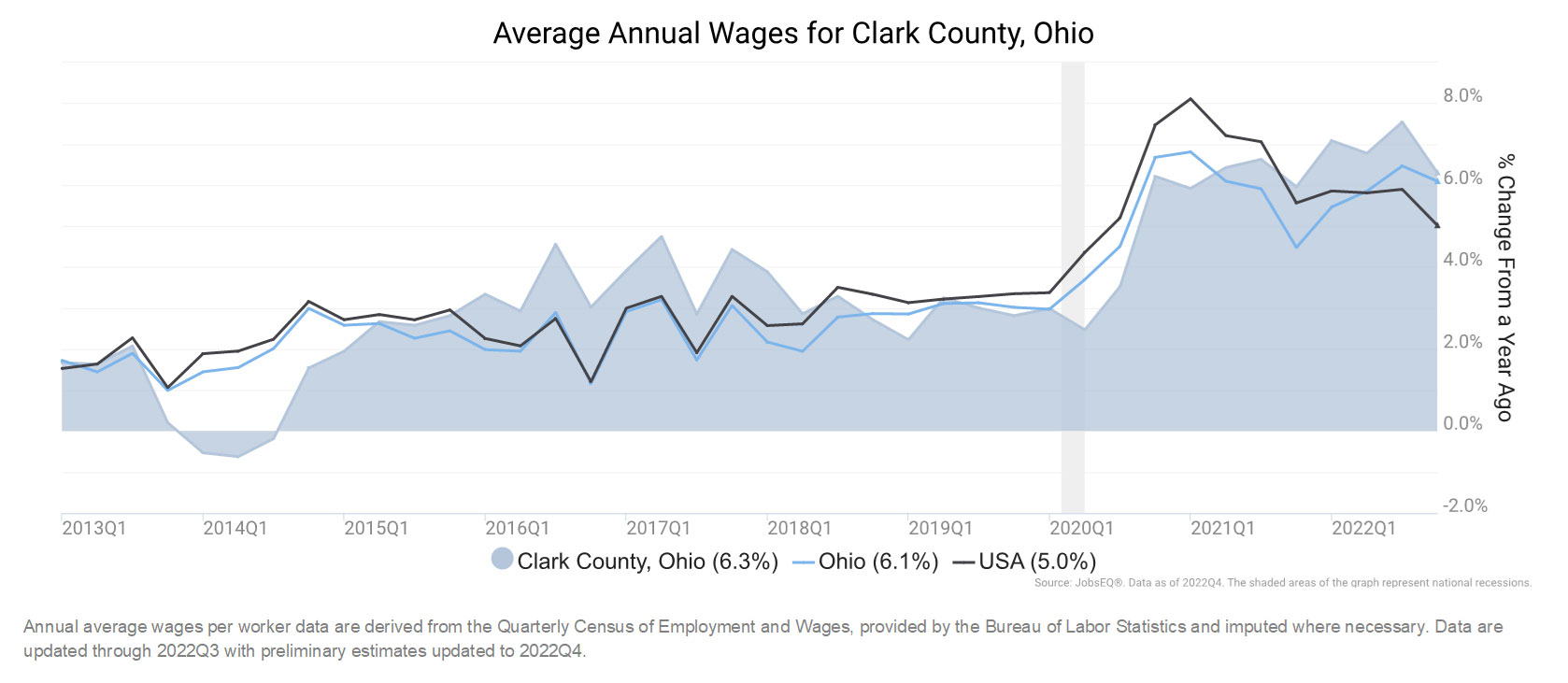
Springfield is a success story. The arrival of so many new people to the area has reversed the population decline and helped the city start a new chapter. In recent years, the city has seen higher wage growth than the rest of Ohio and the rest of the country. As one local pastor told NBC News, “The real story is that for 80 years, we were a shrinking city, and now we’re growing.”
Of course, any growth of this size in a short period of time has led to some friction. The city has seen housing prices rise in recent months as housing construction struggles to catch up with the rising population, and there are very real concerns about the costs imposed on local schools and government offices because of the need to hire Haitian Creole interpreters. Many Haitians who entered through parole programs are also eligible for need-based benefits and temporary resettlement assistance in their first year of arrival, thanks to the 1980 Cuban/Haitian Entrant Assistance Act. The city has asked the federal government for more financial assistance, and the state government has also stepped up in recent months.
While these concerns are serious, they are also the kind of problems a growing community wants to have: the problems of being so successful at reversing population decline and economic malaise that the local infrastructure hasn’t caught up yet. Even Ohio’s Republican governor, Mike DeWine, has stressed to the nation that more Haitians arriving in Springfield have been positive: “Ohio is on the move, and Springfield has really made a great resurgence with a lot of companies coming in. … What the companies tell us is that [the recent Haitian arrivals] are very good workers. They’re very happy to have them there, and frankly, that’s helped the economy.”
What’s happening in Springfield is also happening across the state of Ohio. With nearly 600,000 immigrants calling Ohio home, 5% of the state is foreign-born. An American Immigration Council analysis of Census data shows that immigrants in Ohio pay $7 billion a year in taxes and have a spending power of $18.6 billion, stimulating the local economy. Immigrants in Ohio are also helping create new jobs, with an estimated over 37,000 immigrant entrepreneurs who have started businesses in the state.
Unfortunately, these success stories risk being overshadowed by the explosion of vitriol against the Haitian community in Springfield that has occurred in recent weeks following a quickly debunked viral Facebook post accusing Haitians of stealing and eating local cats. Days after anti-immigrant claims were amplified during the presidential debate, bomb threats began rolling in against Springfield schools, universities, hospitals, businesses, and government offices. Far-right influencers have descended on Springfield, including Neo-Nazi group “Blood Tribe,” the Proud Boys, and even a still-extant chapter of the KKK, which distributed fliers calling for “mass deportation.” Not surprisingly, many in the community, Haitians and non-Haitians alike, are now terrified of the possibility of violence being brought to their community due to hateful rhetoric.
There’s no doubt that the federal government and Congress could do more to support growing communities like Springfield, which have seen a sharp rise in immigrant population. A recent proposal introduced in Congress would create a Destination Reception Services Program to support places like Springfield with federal grants and other assistance, limiting any impact to local budgets as new arrivals establish themselves and become part of the community.
Federal help with growing pains would reduce friction between new arrivals and other community members. But what won’t help growing communities is fomenting hate against new arrivals based on urban legends and crude stereotypes. As a country, we do best when we acknowledge both the challenges and the benefits that immigrants bring to this country and when we recognize that a rising tide lifts all boats. In Springfield and throughout Ohio, immigrants have made the community greater than before, and we can’t afford to let the loudest and angriest voices drown out that truth.