USCIS Increases Officer Discretion in Assessing Good Moral Character for Naturalization Applicants
- External Source
admin
- 0
- 6 minutes read

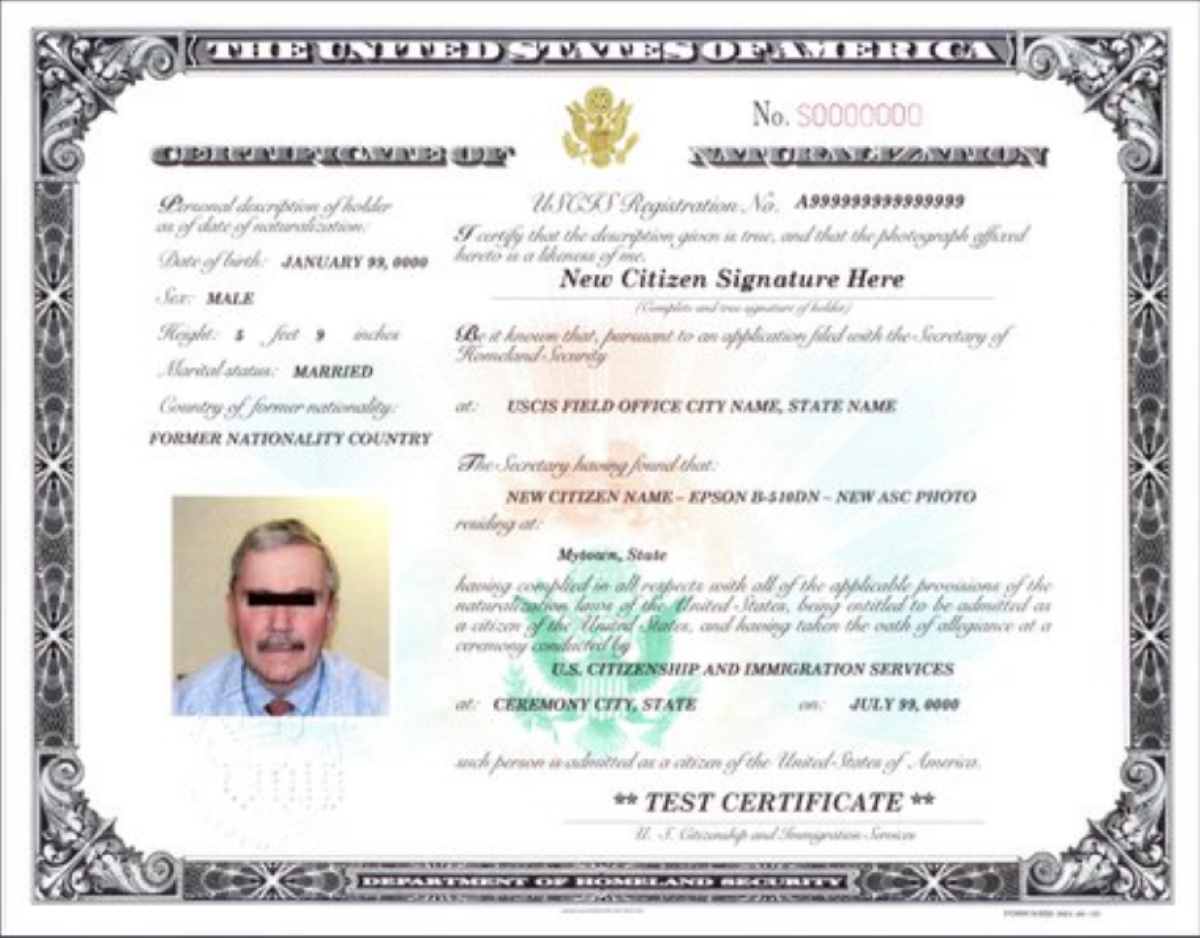
Last month, U.S. Citizenship and Immigration Services (USCIS) issued two new policy updates on how its officers will evaluate whether a naturalization applicant has good moral character (GMC). GMC has been a legal requirement for U.S. citizenship since the 18th century.
First, on August 15, USCIS issued a policy update that directs immigration officers to use a more rigorous, holistic “totality of the circumstances” analysis — not just a checklist to confirm the absence of disqualifying acts in an applicant’s record. For the first time, the policy will also expressly tell officers to consider positive GMC factors (e.g., community service, caregiving, education, steady lawful work, tax compliance, length of U.S. residence) and to scrutinize negative conduct, with an emphasis on evidence of rehabilitation when wrongdoing exists.
Second, on August 29, USCIS issued a policy alert to tighten guidance on how officers should treat unlawful voter registration, unlawful voting, and false claims of citizenship in the naturalization application adjudications. The policy change aligns agency policy with the Immigration and Nationality Act (INA)’s deportability grounds and states that such conduct can defeat a GMC determination.
The update also provides that USCIS will issue an alien applying for naturalization who has voted in violation of any federal, state, or local constitutional provision, statute, ordinance, or regulation a notice to appear (NTA) under INA § 237(a)(6)(A), unless he or she meets the limited exception in INA § 237(a)(6)(B), resulting in a denial of the N-400, Application for Naturalization. INA § 318 prohibits USCIS from granting an N-400 if an applicant is in removal proceedings.
While false claims to U.S. citizenship are both a crime and a bar to naturalization, an alien who is determined to have registered to vote will have the burden to demonstrate that the registration form did not have a question about U.S. citizenship and that the alien did not falsely indicate U.S. citizenship.
GMC Requirement for Naturalization
The requirement that a naturalization applicant demonstrate that they have “good moral character” is not new. In fact, it has been a part of U.S. immigration law since the beginning. The 1790 Naturalization Act required “good character”. In 1795, Congress explicitly required “good moral character”, a requirement that Congress has included in its naturalization statutes ever since. Today, the concept lives in law and regulation at INA §§ 101(f), 316(a), and 8 C.F.R. § 316.10.
These policy updates do not rewrite the law but provide guidance to officers regarding how to weigh positive and negative factors in deciding whether someone meets the long-standing GMC requirement. Naturalization under INA § 316(a) requires that an applicant “has been and still is a person of good moral character” during the statutory period (generally five years; or three years for certain spouses). INA § 101(f) lists bars (e.g., “habitual drunkard” and certain crimes) and ends with a catch-all clause: Even if someone doesn’t fit a listed bar, they can still be found to lack GMC “for other reasons”. Here, the statute provides officers with a significant degree of discretion to determine whether an applicant has demonstrated GMC.
A U.S. Department of Homeland Security regulation at 8 C.F.R. § 316.10 codifies permanent bars to GMC determinations (e.g., murder, aggravated felonies) and conditional bars during the statutory period (e.g., certain crimes and “unlawful acts” that adversely reflect on character) and confirms the discretionary, case-by-case nature of a GMC inquiry.
USCIS Vetting and Enforcement
These policy changes demonstrate this administration’s goals to both increase vetting for immigration benefit applicants as well as to increase USCIS’s role in immigration enforcement activities. These updates follow the issuance of USCIS’s February 28, 2025, memorandum, titled “Issuance of Notices to Appear (NTAs) in Cases Involving Inadmissible and Deportable Aliens” (PM-602-0187), that greatly expanded USCIS officers’ ability to issue NTAs to immigration benefit applicants that the agency knows are removable from the United States. You can find a brief analysis of that memorandum, here.


