A Very Different Trump Border in San Diego
- External Source
admin
- 0
- 15 minutes read

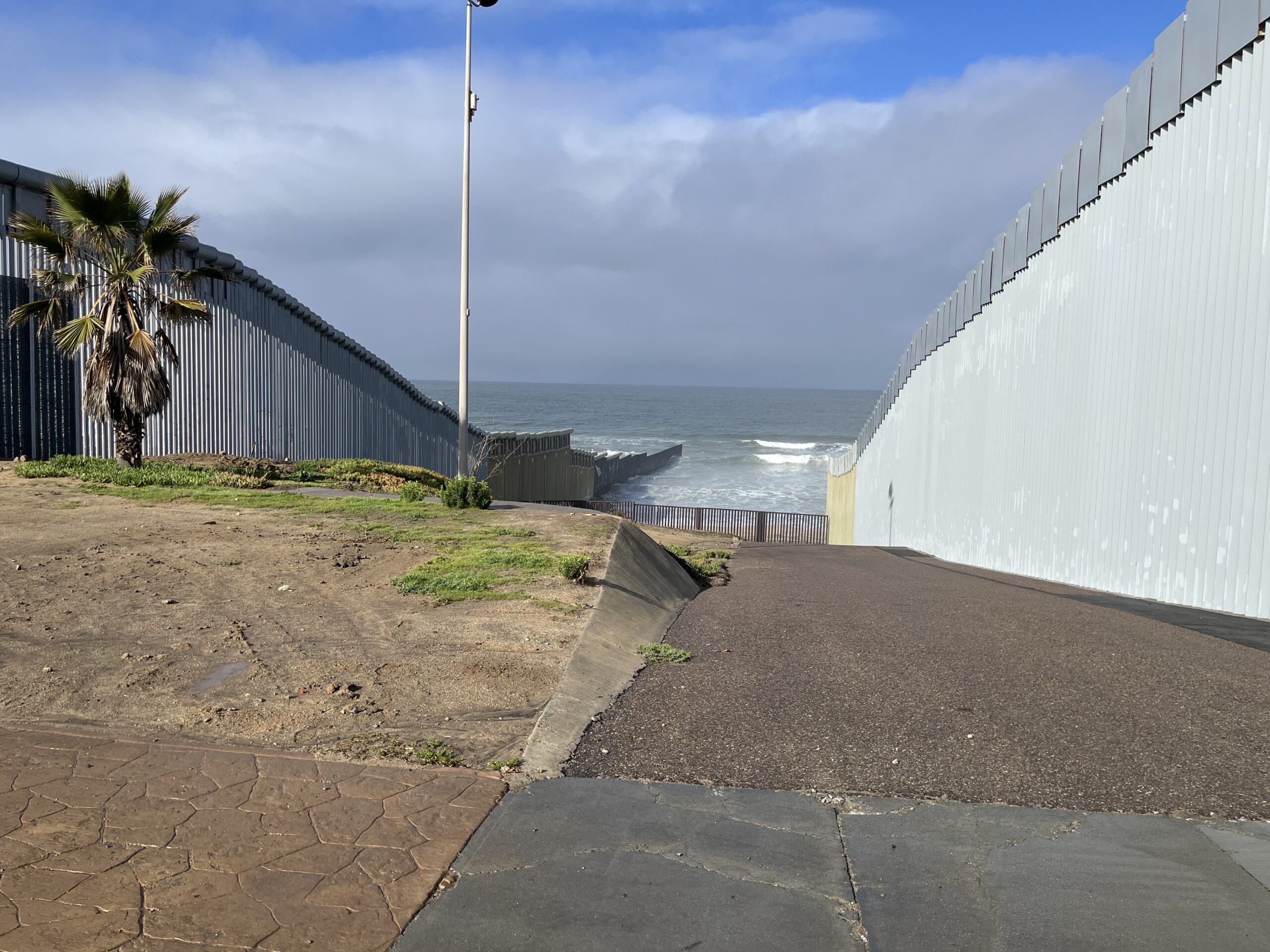
I recently went to the western end of the Southwest border, where it meets the Pacific Ocean south of San Diego. Let’s just say that there’s a very different border there now under Trump than the chaos that has reigned in the past four years, but don’t get too complacent; smugglers may be evil, but they are resourceful, as well.
San Diego Sector. The Border Patrol’s San Diego sector is likely the most geographically diverse part of the 1,954-mile Southwest border.
Technically, it covers a massive area of nearly 57,000 square miles, but just 60 miles of the Southwest border, giving it jurisdiction over the smallest stretch of land directly adjacent to Mexico of Border Patrol’s nine southern sectors.
Don’t be fooled, however, because the western part of San Diego sector is directly adjacent to Tijuana, Mexico, that country’s second-largest municipality after the capital.
And when I say “directly adjacent” I mean that the boundary fence itself sits just feet from plazas on the other side of the line. You could reach through and exchange goods through the fence, except at some point DHS got smart and installed a metal screen to prevent trades, licit and otherwise.
If you assume that a coastal area like San Diego would be relatively flat, think again.
Undulating hills, canyons, and grasslands begin almost directly after you pass the point where California’s Border Field State Park joins Malecón de Playas de Tijuana. It was a geographical advantage exploited by smugglers for years before the then-INS rebuilt a decrepit fence separating the two cities during the Clinton administration in the early 1990s under Operation Gatekeeper.
Gatekeeper and other improvements triggered by the Secure Fence Act of 2006 (SFA) replaced a rusty and easily breached 13-mile “wall” largely composed of surplus Vietnam-era landing mats with double layers of fencing composed of steel girders buried deep in the ground. Apprehensions quickly dropped 75 percent.
Fast forward to the Biden administration, however, and San Diego sector started heating up again. By FY 2024, it was the second busiest of the Southwest border sectors (behind only the sprawling Tucson sector in eastern Arizona), recording more than 324,000 apprehensions.
I was told that’s because smugglers shifted their operations west, away from the eastern Rio Grande Valley and other spots further up the river in part due in part to “Operation Lone Star”, a Texas-state initiative to deter illegal crossings.
The Airport Option. Speaking of diversity, San Diego sector began receiving illegal migrants from all around the world in the last two years of the Biden administration, as well.
Despite its proximity, just over 51,000 of those FY 2024 apprehensions involved Mexican nationals, roughly equivalent to the combined number of Chinese (37,073) and Indian (14,024) migrants nabbed in the sector in FY 2024.
It was also the destination of choice for nearly 69,000 illegal crossers from Colombia, Venezuela, and Peru, as well.
Why San Diego? Federal officials I spoke to credit the sector’s proximity to Tijuana International Airport (TIJ), roughly 10 miles from the Pacific coast, but more critically directly across the border from the busy town of Otay Mesa, Calif.
Legitimate foot travelers using the airport to cross into the United States can pay to utilize a 390-foot pedestrian bridge connecting TIJ to the U.S. port of entry called “Cross Border Xpress” (CBX), which allows them to skip the often congested San Ysidro and Otay Mesa vehicle lanes.
Millions use the CBX annually, but as those apprehension figures show, it’s not an accessible route for foreign nationals without visas.
But that doesn’t mean that TIJ itself wasn’t a jump-off point for illegal entrants. I was told that “travel agents” abroad would regularly schedule trips for “other than Mexican” (OTM) migrants to fly into TIJ by exploiting that country’s fairly lax immigration laws.
Once in Tijuana, many of those same agents would hook migrants up with smugglers for the final leg of the journey into the United States.
That Was Then, This Is Now. Don’t be shocked when I tell you that Donald Trump and his “border czar” Tom Homan quickly shut down the OTM conveyor belt into San Diego sector.
As I was driven along the line east from the ocean, I saw squads of U.S. Marines from nearby camps deployed on the president’s orders who were actively installing multiple layers of concertina wire (c-wire) along the fencing on the inward side of the outward wall in a driving rainstorm.
If the two layers of fence and the c-wire torte didn’t deter illegal crossers, hordes of privates and lance corporals in desert camo likely would. Still, in isolated spots torn carpet and clothing that had been thrown over the wall and the wire from the Mexican side indicated that crossings still continue.
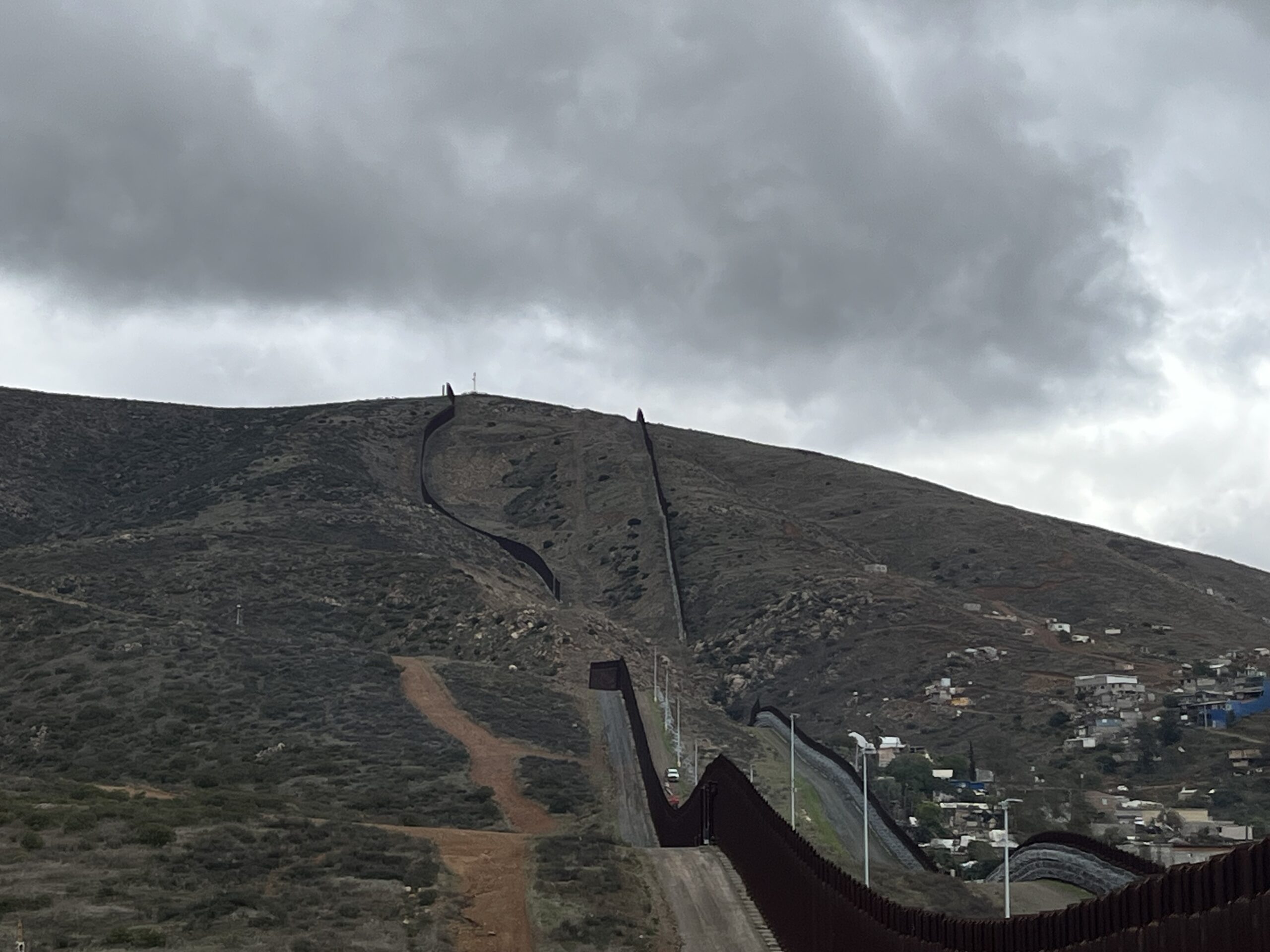
From a promontory east of TIJ, I could look down and see where the bustling Tijuana neighborhood of Real de la Frontera gave way to the rugged Nido de las Aguilas (“Eagles Nest”), a collection of ramshackle dwellings set up against what is referred to in Appalachia as a “holler”.
And as in Appalachia, I was told that this holler was largely populated by poor but honest Tijuanans with a smattering of slightly less respectable residents who picked the spot because it allows them to see the cops coming, literally from a mile away.
Apparently one of the businesses the criminal element in the Nest engages in is human smuggling through a notable gap in the dual-fence system over a rocky outcrop.
That was the spot where many of the 75,000-plus migrant adults travelling with children in “family units” (FMUs) in FY 2024 opted to cross illegally, putting them into the predatory clutches of “banditos” who robbed them of the last of their meager belongs and otherwise unspeakably abused their victims.
Those migrants forced overwhelmed agents to converge on one of the least accessible parts of the line, offering drug and human smugglers greater opportunities to cross in sections of the border that were consequently undermanned.
With Trump and Homan now in charge, Border Patrol apprehensions have dropped, from more than 10,100 in December to just fewer than 6,400 in January — and then to 1,650 in February, a rounding error compared to the 31,500-plus apprehensions during the same month one year before.
Morale is up among the agents I spoke to, now that they have been freed from migrant care duties to again patrol the line. The gap across from the Nest is set to be closed, and the access roads to the rocky high point are scheduled to be improved.
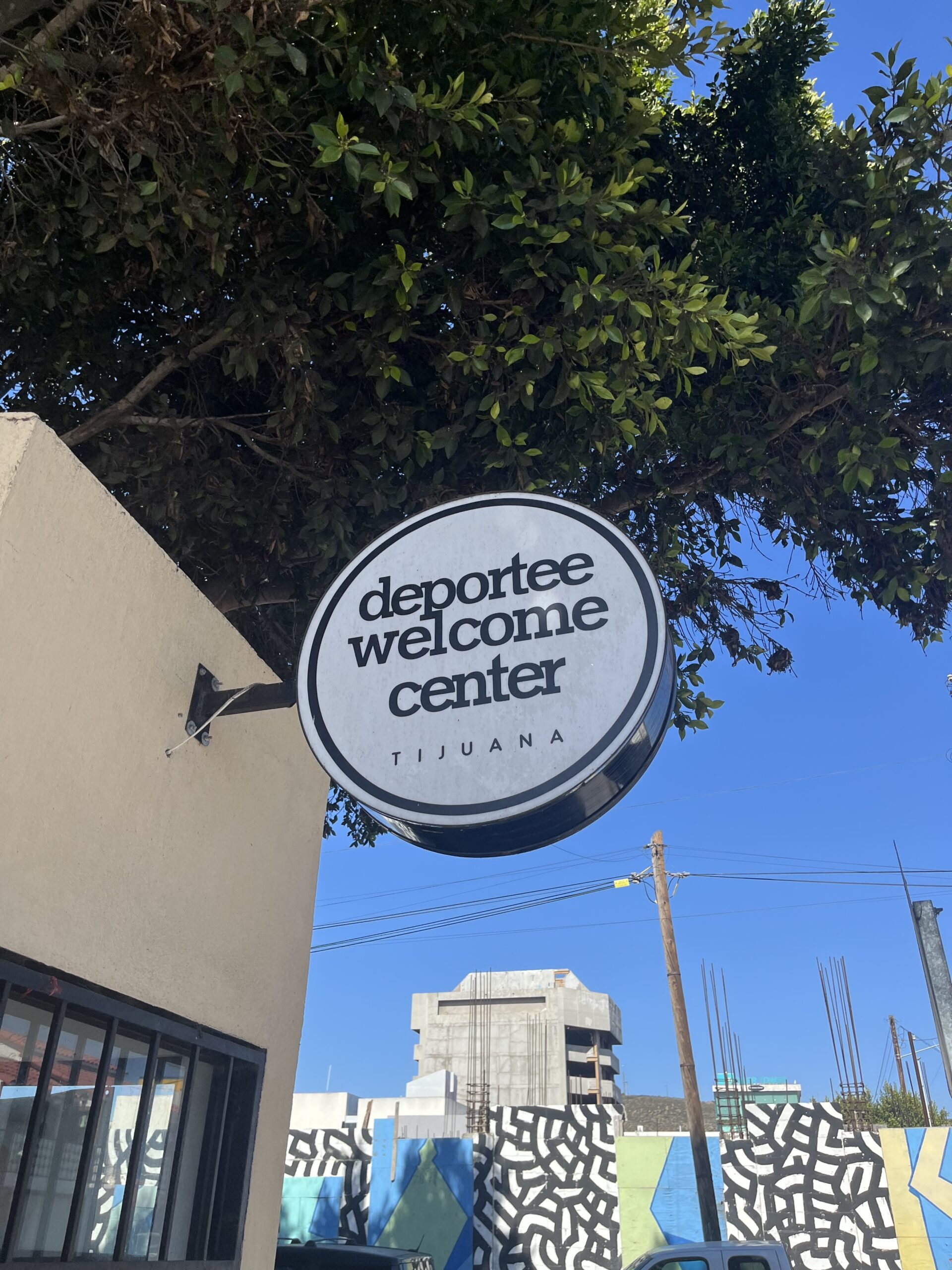
How slow is the border? I crossed the pedestrian port at Otay Mesa into downtown Tijuana and quickly came upon the “Deportee Welcome Center”, which not only wasn’t welcoming any deportees, but wasn’t even staffed at 3:15 PM on what was then a sunny Monday. Fewer crossers mean fewer returns.
As I made my way into the city, the first Mexican government official I passed was a less-than-welcoming Mexican National Guard sergeant, there to ensure that nobody tried making a northern detour into the United States.
He was one of what I was told were thousands of troops sent by Mexican President Claudia Sheinbaum to halt northbound OTM migrants in response to Trump tariff threats on the country, which sends 76 percent of its $650 billion in exports (representing 36 percent of its annual GDP) to the United States.
Those troops have set up camps on the south side of the wall to deter OTM crossers, suggesting that their presence there is more than just a sortie.
I was told the real game changer, however, is detention.
Under the Biden administration, nearly all apprehended migrants were released into the United States, but now everyone who’s apprehended is being detained, and many are being quickly deported, as well. Two nearby ICE detention facilities were holding about 2,000 aliens, combined, when I was there.
Smugglers Gonna Smuggle. DHS officials in San Diego aren’t letting their collective guard down, however.
That’s because they know that they know the cartels and smugglers won’t be content to simply take the winnings they gained under Biden and go home. “Smugglers are gonna smuggle,” I was told, and the criminally inclined continue to actively look for weak points and vulnerabilities.
The biggest vulnerability, again, is proximity, and if the smugglers can’t go over the wall, they will try to tunnel the short distance from bustling Tijuana to the U.S. side to move illicit narcotics.
International ports of entry are big legitimate business, and nowhere is business better than in San Diego, with two active vehicle ports (Otay Mesa and San Ysidro) and yet another (Otay Mesa East) in the pipeline.
Produce is one hot commodity and another is finished goods made in the 570 maquiladora plants in Tijuana, which are brought through the ports for storage in massive warehouses on the U.S. side just blocks from the fence.
Industrial areas on the south and (illicitly rented) warehouses on the north are ideal transit points for cartel lackeys who laboriously excavate 10 feet of tunnel per day using hand-held demolition hammers purchased from local do-it-yourself stores like Home Depot and Lowe’s.
Ironically, the sandy clay on both sides of the wall is perfect for such moles, given it’s soft enough to be easily extracted and yet strong enough not to collapse, provided minor wood bracing is employed.
The good news is DHS has highly trained teams of agents, many raised on stories of Vietnam War “tunnel rats”, whose sole mission is to find and subvert these subterranean cartel schemes.
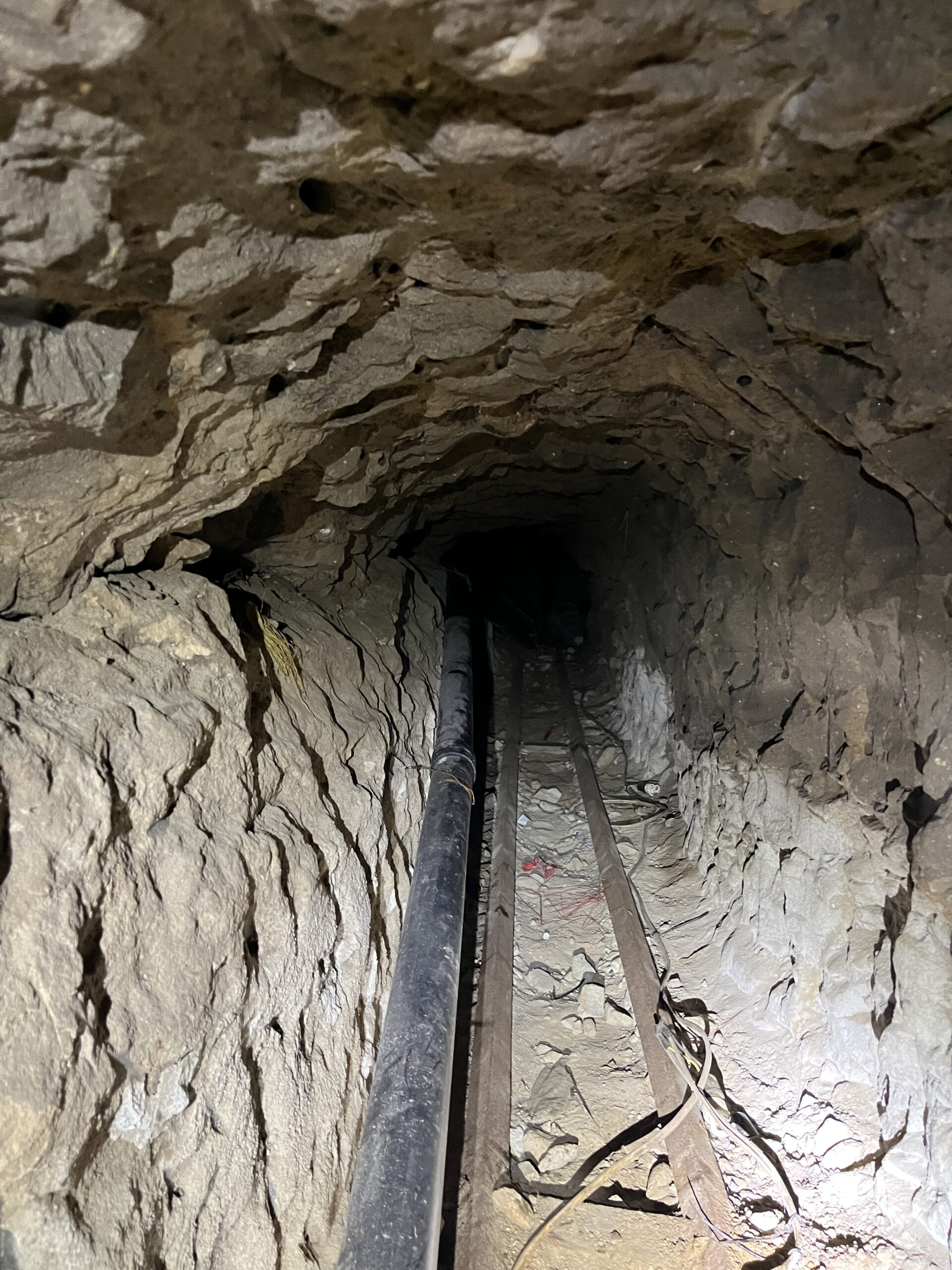
I was taken into one such tunnel and discovered it was cramped but apparently ideal to move handcarts of drugs from one side of the border to another.
I don’t want to divulge too much, but actionable intelligence and experience are as important to those agents as ground-penetrating sensors and a general willingness to crawl on hands and knees in pitch darkness 20 feet underground while potentially encountering some very bad individuals.
Tunnels are too valuable to the cartels in San Diego sector to be used to smuggle any but the most high-paying illegal migrants, however. Instead, coyotes are taking their human cargo to the water, running small boats known as “pangas” around the wall that extends into the ocean and heading further up the California coast for drop-offs.
At this point, I should probably mention that San Diego sector also has jurisdiction of 931 miles of coastal border, extending all the way from Mexico to the Oregon coast. Fortunately, few pangas have that sort of range, but unfortunately, even 20 miles of coast is a lot to keep track of.
Agents from CBP’s Air and Marine Operations (AMO) branch, fortunately, are there to assist their Border Patrol brethren in responding to these maritime incursions (their helicopters were a common sight during my brief stay), as is the U.S. Coast Guard.
As the New York Post reported on March 3: “Over the last 90 days, the Coast Guard has recorded about 200 migrant boat encounters near the San Diego coast, amounting to approximately two migrant boat interventions per day”.
While many officers I spoke to mentioned the deleterious impact of the state’s sanctuary law, SB 54, which limits the ability of local cops to assist in immigration enforcement, the city of San Clemente (north of San Diego) announced in early February that it would be installing cameras on the beach to detect migrant vessels, with members of the council ordering the city manager to coordinate with CBP.
Illegal maritime entries aren’t cheap, with smugglers charging $12,000 to $15,000 per migrant. With the border largely shuttered, however, many plainly see it as the only option. Needless to say, it is also a needlessly dangerous voyage, as well, while rescues of individuals attempting to swim around the border wall are also on the uptick.
The immigration policy pendulum has swung back toward the enforcement pole, and nowhere is that more event than in San Diego, the second busiest illegal destination last year but a quiet outpost now. Don’t get too complacent, however, because if there’s money to be made, smugglers will try to make it — even if it means digging tunnels or taking to the high seas.


